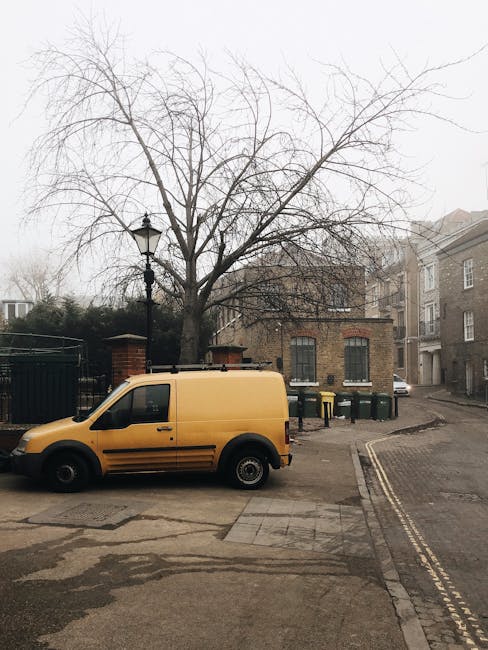
Southwark Council permits for Bermondsey removal vans: what you need to know before moving
If you are planning a move in Bermondsey, the permit side of the job can be the bit that catches people out. You might be ready with boxes, bubble wrap, and a borrowed trolley, then suddenly realise the van needs space to stop, load, and leave without causing a fuss. That is where Southwark Council permits for Bermondsey removal vans can become the difference between a calm move and a slightly stressful one. Truth be told, most people do not think about parking controls until the move is practically here.
This guide explains what those permits are, why they matter, how they usually work in practice, and what to check before moving day. You will also find a clear step-by-step approach, a practical checklist, and a few realistic examples from the kind of situations people face in Bermondsey every week. If you are weighing up a removal van, comparing services, or just trying to avoid awkward parking fines and delays, this should help.
Quick takeaway: if your removal van needs to stop on a restricted street, bay, or controlled area in Bermondsey, you should not assume parking will just be fine on the day. Check the local rules early, build in time for loading, and confirm whether a dispensation, suspension, or other parking arrangement is needed.
Table of Contents
- Why Southwark Council permits for Bermondsey removal vans Matters
- How Southwark Council permits for Bermondsey removal vans Works
- Key Benefits and Practical Advantages
- Who This Is For and When It Makes Sense
- Step-by-Step Guidance
- Expert Tips for Better Results
- Common Mistakes to Avoid
- Tools, Resources and Recommendations
- Law, Compliance, Standards, or Best Practice
- Options, Methods, or Comparison Table
- Case Study or Real-World Example
- Practical Checklist
- Conclusion
- Frequently Asked Questions
Why Southwark Council permits for Bermondsey removal vans Matters
Moving a home or business in Bermondsey is rarely just a matter of lifting boxes and driving off. Streets can be tight, loading space can be limited, and parking controls can be active for most of the day. That is especially true around busier routes and residential streets where a van can block access quickly, even if only for 20 minutes.
Southwark Council permits for Bermondsey removal vans matter because they help you avoid being stuck in the classic moving day mess: the van arrives, the crew is ready, and there is nowhere legal to stop. No one wants that. Not the driver, not the neighbours, and definitely not the person trying to carry a mattress down two flights of stairs while watching the clock.
There is also a wider practical point. Even if you think, "It's only a short stop," council enforcement does not usually care that you are moving house. If the bay is suspended, the street is controlled, or you are parked where loading is not permitted, the vehicle can still be at risk of a penalty. For Bermondsey residents, this is not an edge case. It is part of the move-planning process.
In our experience, the people who plan the parking side properly tend to have the smoother move overall. They are not scrambling for space, and the crew can work more steadily. That calm pace matters more than people think.
How Southwark Council permits for Bermondsey removal vans Works
Let's keep this plain. A removal van usually needs some form of lawful access to stop near your property while loading or unloading. Depending on the street and the time of day, that might mean a parking bay suspension, a parking dispensation, or another council-approved arrangement. The exact option depends on the road layout, restrictions, and the scale of the move.
The key thing to understand is that not every move needs the same solution. A small flat move with a single van may be manageable with careful timing and legal loading space. A larger household move, a top-floor flat, or a commercial relocation may need more room and a longer stop. The bigger the vehicle and the more awkward the access, the more important it becomes to check the details early.
Southwark Council permits for Bermondsey removal vans are not about making life difficult. They exist to keep traffic flowing, protect access for neighbours and emergency services, and give movers a lawful way to complete the job. To be fair, that sounds dry on paper, but on a narrow Bermondsey street it can make all the difference.
A helpful way to think about it is this: if the van is likely to stand where other road users are expected to pass, park, or queue, you should assume extra planning is needed. If there is private driveway access or generous off-street loading space, the permit issue may be simpler, but still worth checking.
Many moves also involve timing rules. Early mornings can be quieter. Midday can be much busier. School runs, deliveries, and local commuter traffic can all change how manageable a move feels. A van that seems fine at 8 a.m. may feel like a nuisance by noon. Small detail, big difference.
Key Benefits and Practical Advantages
Getting the parking side right brings a lot more than just peace of mind. It keeps the move moving, quite literally. Here are the main practical benefits.
- Less chance of delays: the crew can load or unload without circling the block for space.
- Reduced enforcement risk: legal stopping arrangements lower the chance of tickets or interruption.
- Better crew efficiency: movers can keep a steady rhythm instead of carrying items further than necessary.
- Safer handling: shorter walking distances usually mean fewer bumps, slips, and awkward turns.
- Less neighbour friction: nobody enjoys blocking driveways or squeezing past a van with a sofa on the liftgate.
- More realistic scheduling: you can plan arrival and departure times with less guesswork.
There is a commercial side too. If you are comparing removal services, a company that understands local parking controls can save you hassle. That does not mean every mover handles permits the same way, though. Some will advise only. Others may help coordinate the van, timing, and loading strategy so the whole process runs more smoothly.
The real benefit? Less mental clutter on the day. Moving already gives most people enough to think about. Parking should not be the thing that pushes you over the edge.
Who This Is For and When It Makes Sense
Southwark Council permits for Bermondsey removal vans are relevant to more people than you might think. They are not just for full-house moves. They can make sense for:
- home movers in flats, maisonettes, and terraced streets
- students moving in or out with larger loads
- landlords and letting agents arranging tenant changeovers
- small businesses moving equipment or stock
- office teams relocating desks, chairs, and archive boxes
- people collecting bulky furniture from a property with limited parking
If your move involves a vehicle that will need to stop close to the entrance, this matters. If the road is wide, unrestricted, and quiet, you may have more flexibility. But Bermondsey is not always that kind. It mixes residential streets, active local traffic, and restricted parking zones in a way that rewards early planning.
Think about your own move in real terms. Are you on a narrow street? Are there yellow lines outside? Will the van be there long enough to matter? Do you need the lift working at a certain time? These questions are the ones that decide whether a permit is optional, helpful, or absolutely worth sorting out.
And yes, even a simple single-item move can run into issues. A sofa is still a sofa, and parking rules still apply.
Step-by-Step Guidance
If you want the least stressful route, follow a simple process rather than guessing on the morning of the move.
- Check the property access. Look at the street outside both addresses. Note bays, yellow lines, narrow turns, and anything that might stop a van from getting close.
- Estimate the vehicle size. A small van and a long-wheelbase removal vehicle are two very different parking problems.
- Work out loading time. A studio flat with a few boxes is one thing; a three-bed move with furniture, white goods, and stairs is another.
- Ask what parking arrangement is needed. Depending on the street, you may need a suspension, dispensation, or a carefully timed loading plan.
- Confirm who is handling it. Sometimes the mover arranges the practical side. Sometimes the customer must do it. Never leave this vague.
- Build in a buffer. Traffic, lift access, and last-minute packing always take longer than you want them to. Always.
- Keep documents and contact details handy. If enforcement staff or building management have questions, a quick answer helps.
- Check again the day before. A bay suspension, access issue, or roadworks can change everything overnight.
A small but useful habit: stand outside your property at the same time of day the move will happen. Morning light, delivery traffic, school runs, and local parking patterns can all look different from the kitchen window than they do on the pavement. You notice things from the street that you just do not notice indoors.
If storage is part of your move because completion dates are awkward or space is tight, it may also help to review storage options before the moving date. That can take pressure off the van schedule and reduce the amount of time you need roadside access.
Expert Tips for Better Results
There are a few practical habits that make Bermondsey moves much easier. Nothing flashy. Just the stuff experienced movers quietly rely on.
- Book early for busy streets. Central London-style parking pressure tends to leave people scrambling if they wait too long.
- Use one point of contact. If the mover, the building manager, and the customer all hold different assumptions, things get messy fast.
- Keep the load plan simple. Put the heavy furniture near the door first so the van is not held up by a last-minute reshuffle.
- Label the awkward items. Large mirrors, fragile lamps, and anything that needs special handling should be obvious at a glance.
- Allow room for lift delays. In flat blocks, waiting for lifts is often the real time sink, not the van ride itself.
- Talk to neighbours when necessary. A quick heads-up can prevent avoidable tension if a loading area will be busy for an hour or two.
One often-overlooked tip is to match the van to the street, not just to the volume of items. A slightly smaller vehicle that can stop more neatly may beat a bigger one that technically holds everything but creates parking headaches. Sounds obvious, but people forget in the rush.
And, honestly, a move day with a tidy plan is far kinder on everyone's nerves. Even the dog seems to know.
Common Mistakes to Avoid
Most permit problems are not dramatic. They are just annoying, preventable mistakes that snowball.
- Leaving parking planning too late: the biggest error by far.
- Assuming loading is always allowed: restrictions vary street by street and time by time.
- Forgetting about bays or road suspensions: a van space outside the property may not be available just because it usually is.
- Choosing the wrong vehicle size: too large can create more problems than it solves.
- Not checking with the building: flats and estates often have their own access rules, and they matter.
- Ignoring timing windows: a permit or dispensation may be tied to specific hours.
- Leaving the crew uninformed: if the driver does not know the exact access point, the plan falls apart quickly.
Another subtle mistake is underestimating how much clutter slows everything down. If boxes are still being taped when the van arrives, the whole day can stretch. The parking issue is often only half the story. The rest is basic preparation, which is not glamorous but hugely effective.
Let's face it, moving has a habit of exposing every bit of poor planning. Better to spot the weak points now than while carrying a wardrobe downstairs.
Tools, Resources and Recommendations
You do not need a complicated toolkit, but a few practical tools can make the process much easier.
- Paper or digital moving checklist: keeps permit, packing, and handover tasks in one place.
- Phone notes with addresses and timings: ideal for driver instructions and access details.
- Measuring tape: useful for checking whether furniture, stairwells, and doorways will actually cooperate.
- Labels and markers: surprisingly effective when unpacking becomes a blur.
- Protective covers and tape: helps avoid scuffs when loading tight staircases or narrow hallways.
For people who want a one-stop moving setup, services such as man and van can be a practical middle ground between a DIY move and a full-scale removal crew. If the job is bigger, you may prefer a more structured removals arrangement. It depends on how much lifting, timing, and parking coordination you want handled for you.
It also helps to keep an eye on cost transparency. A reputable mover should be able to explain what is included, what may cost extra, and how parking-related waiting time or access issues are handled. If a quote feels vague, ask questions. Clear answers now save awkward surprises later.
Law, Compliance, Standards, or Best Practice
For moves involving Southwark Council permits for Bermondsey removal vans, the safest approach is to treat parking rules as a compliance issue, not a casual admin task. Local parking restrictions are there for a reason, and ignoring them can delay the move or create avoidable costs.
In practice, good compliance usually means:
- checking the specific street restrictions before the move
- confirming whether a parking bay, loading space, or road section is available
- making sure any approval or suspension applies to the correct date and time
- keeping the vehicle within the agreed terms of use
- coordinating with the mover so nobody improvises on the day
There are also general safety standards to consider. A removal van should be loaded sensibly, with items secured properly to reduce movement in transit. That matters for the cargo, the crew, and the public. It is not just about paperwork; it is about not turning a narrow Bermondsey street into a slightly chaotic obstacle course.
If your move involves packing, lifting, stairs, or awkward furniture, working with a mover that follows a clear health and safety policy and understands insurance and safety expectations is simply sensible. You want people who think ahead, not people who shrug and hope for the best. That never ages well.
Options, Methods, or Comparison Table
There is more than one way to handle van access in Bermondsey. The best option depends on the street, the vehicle, and how much time you have.
| Approach | Best for | Pros | Limitations |
|---|---|---|---|
| Short legal loading stop | Simple moves on streets with appropriate access | Quick, flexible, usually easier to arrange | Not suitable where restrictions are tight or parking is scarce |
| Parking bay suspension or similar arrangement | Moves needing reserved roadside space | Creates a clearer loading area and reduces interference | Needs forward planning and may have conditions attached |
| Small van with multiple trips | Very tight streets or smaller household loads | Can be easier to position in busy areas | More trips can mean more time and more lifting |
| Full removal crew with coordinated access plan | Larger home or business moves | Efficient, organised, less stressful for the customer | Usually costs more than a bare-bones option |
In many Bermondsey moves, the best solution is not the biggest van or the fanciest arrangement. It is the one that fits the street. Simple as that. A smaller vehicle with good timing often outperforms a larger vehicle that has to fight for every inch of space.
Case Study or Real-World Example
Picture a typical Bermondsey flat move on a weekday morning. The resident is leaving a second-floor apartment with a sofa, bed frame, wardrobe, boxes, and a few awkward kitchen items. The street is narrow, with parked cars on one side and active loading by local businesses on the other. If the van arrives without a parking plan, the crew may need to circle, wait, or park further away than expected.
Now picture the same move with a basic access plan in place. The mover knows the exact entrance. The customer has checked the restrictions. The van is scheduled for a time when the street is calmer. A reserved loading area, where available, means the furniture can come straight out to the vehicle instead of being carried half the street. The move still takes effort, of course, but the friction is much lower.
That is usually what people are really buying: not just transport, but reduced friction. And in moving, friction is what eats your afternoon.
We have seen the same pattern with small businesses too. A Bermondsey office relocation that begins with clear access planning tends to finish with fewer interruptions, fewer missing items, and a happier team. Nobody remembers the van as much as they remember whether the day felt chaotic. That's the real measure, if you ask me.
Practical Checklist
Use this checklist before moving day. It is simple, but it catches a lot of avoidable problems.
- Confirm the exact moving date and time
- Check both pickup and delivery street restrictions
- Decide whether the vehicle needs reserved roadside space
- Measure access points, stairways, and door clearances
- Tell the mover about heavy or fragile items
- Ask who is arranging parking permissions, if anyone is
- Arrange building access, lift bookings, or porter support if needed
- Prepare labels, tape, blankets, and protective wrapping
- Keep a phone charged for driver and building contact calls
- Have a backup plan if traffic or access delays occur
If you are moving house, it can also help to review house removals or flat removals depending on your property type. The access challenges are often a bit different, and the right approach depends on stairs, space, and how much you need carried.
One-line reminder: plan the road, not just the rooms.
Get a free quote today and see how much you can save.
Conclusion
Southwark Council permits for Bermondsey removal vans are one of those practical details that look minor until they suddenly are not. Once you understand the parking side, the rest of the move becomes much easier to manage. You know where the van can stop, how long it can stay, and what you need to do to keep everything running smoothly.
The main lesson is simple: do not leave roadside access to chance. Check the street, match the van to the job, confirm who is handling the permit or parking arrangement, and build in a little margin for the unexpected. That one bit of planning can save time, money, and a fair amount of stress.
Moves in Bermondsey can be busy, but they do not have to feel messy. With the right preparation, it is entirely possible to keep the day calm, practical, and surprisingly manageable. One step at a time. You will get there.
Frequently Asked Questions
Do I always need Southwark Council permits for Bermondsey removal vans?
Not always. If the van can legally stop in an unrestricted or appropriately managed loading space, you may not need a separate parking arrangement. But if the vehicle must stand on a restricted street, in a suspended bay, or in an area with tight controls, you should check carefully before the move.
Who usually arranges the permit or parking permission?
It depends on the mover and the move. Sometimes the removals company advises on the process or handles part of it. In other cases, the customer is responsible. Get this confirmed early so there is no confusion on the day.
How far in advance should I plan parking for a Bermondsey move?
As early as you can. Parking and access planning should be part of the first move conversation, not the last. Bermondsey streets can be busy and restrictions can be unforgiving, so waiting until the day before is a gamble.
What happens if the van cannot park outside the property?
The crew may have to park further away and carry items a longer distance, which slows the move down and can increase the physical effort involved. In some cases, the move may need a different time slot or a different vehicle size to make access workable.
Are removal van permits the same as parking permits for residents?
No, they are usually different things. Resident parking arrangements are for everyday local parking, while a removal van arrangement is tied to a temporary moving need. The rules, duration, and conditions may be different.
Can a smaller van help if parking is difficult?
Yes, quite often. A smaller van can be easier to position on a tight street and may reduce the chance of blocking access. That said, it may mean more trips if you have a lot to move, so there is always a trade-off.
What if I am moving from a flat with no nearby parking?
That is common in Bermondsey, and it is exactly why planning matters. Check whether a nearby loading space can be used, whether access needs to be reserved, and whether the mover can work with a tighter loading setup. Flat moves usually benefit from a more detailed access plan.
Do businesses in Bermondsey need the same kind of planning?
Yes, and often more of it. Office relocations and commercial moves may involve larger vehicles, more items, loading deadlines, and building access restrictions. The same parking rules matter, but the logistics can be more demanding.
What are the most common reasons moves get delayed?
The biggest causes are usually parking trouble, late packing, lift delays, and unclear instructions about access. A van waiting for space outside the building can throw the whole schedule off. It sounds simple, but it happens a lot.
How do I choose the right removals service for this kind of move?
Look for clear communication, local experience, and transparent pricing. If a company can explain how it handles access issues, loading time, and safety, that is a good sign. You want someone who understands the reality of Bermondsey streets, not just the theory.
Can storage help if the move date is awkward?
Yes. If your completion dates do not line up, or if you need to reduce the amount of immediate loading and unloading, storage can take pressure off the schedule. It is often a practical safety valve when timing gets messy.
What should I do the day before the move?
Check the street again, confirm timings, finish packing the essentials, and make sure the mover has the correct address and access notes. A final check is boring, but it saves headaches. Boring is good on moving day.